June 15, 2026
The art of exterior painting extends far beyond the application of a fresh coat of paint. It involves preparation, product knowledge, timing, safety, and an understanding of how exterior surfaces respond to weather. Hiring professional painters can help homeowners avoid common problems that often come with do-it-yourself painting, especially when a home has aging siding, peeling paint, high exterior walls, or detailed trim work.
Professional painting services can also improve the appearance, durability, and long-term value of a property. A quality exterior paint job protects the home from moisture, sun exposure, and seasonal wear while improving curb appeal. Taking a closer look at the benefits of professional painting can help homeowners understand why the investment often pays off over time.
1. Expertise and Experience
1.1. Understanding Surface Materials
Every exterior surface requires a different approach. Wood, stucco, vinyl, brick, fiber cement, and metal all respond differently to paint, primer, moisture, and temperature changes. Exterior painting contractors understand how these materials behave and can recommend products that bond properly to each surface. This helps create a cleaner finish and reduces the risk of early peeling, bubbling, or fading.
Professional painters can also identify substrate issues that may not be obvious at first glance. Small cracks, soft wood, water stains, mildew, and loose caulking can all affect the final result. Addressing these concerns before painting helps protect the structure and creates a stronger foundation for the new coating. This type of assessment can prevent homeowners from covering up damage that needs repair.
Ongoing product training also plays a role in the quality of the finished project. Paint formulas, primers, sealants, and application tools continue to change. Professionals stay informed about newer products that can improve color retention, moisture resistance, and overall performance. Their recommendations often combine visual goals with practical protection for the home.
1.2. Application Techniques for Longevity
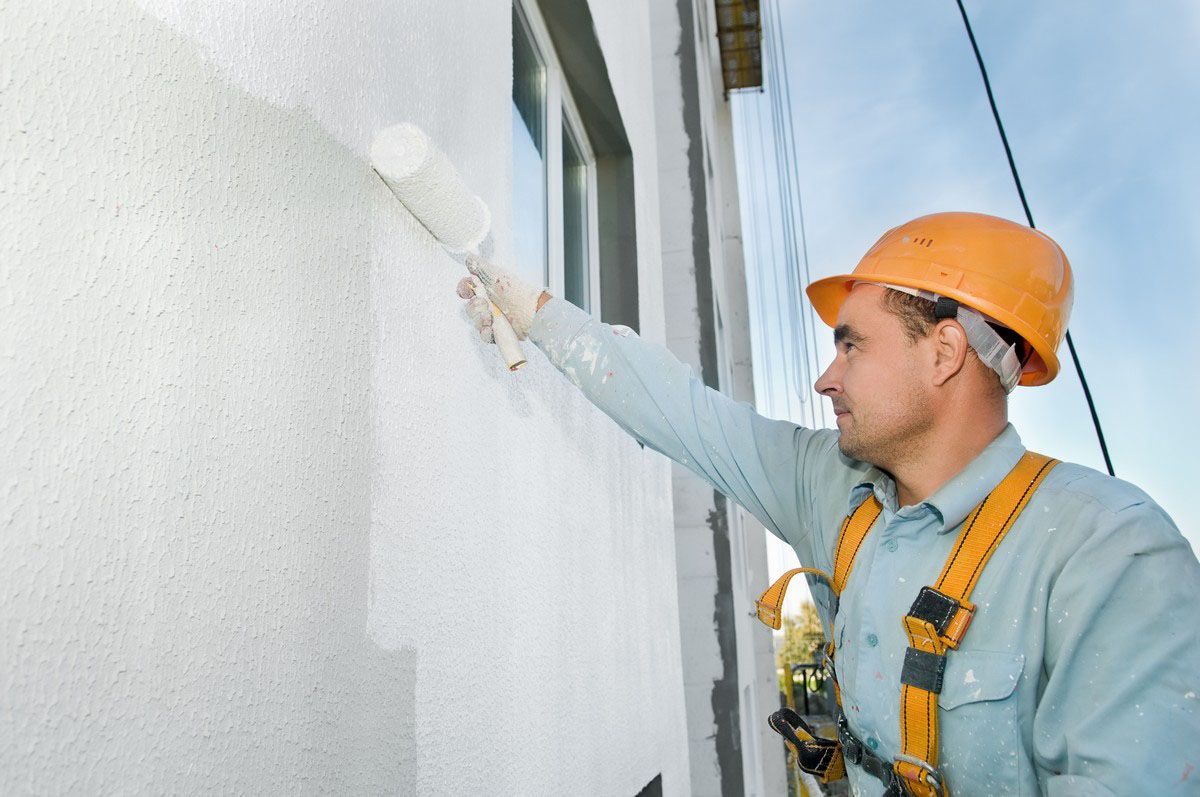
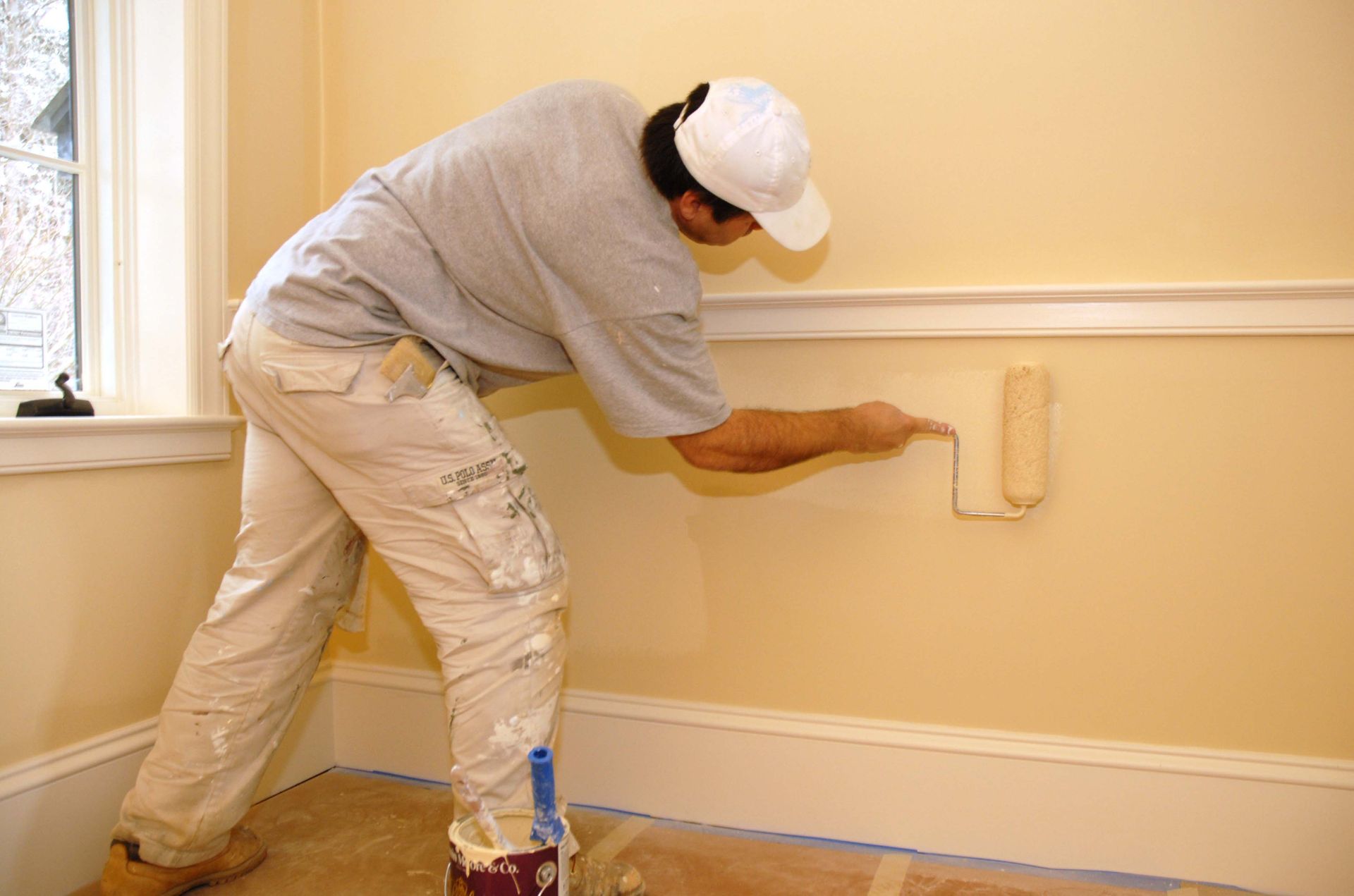
Exterior painting depends heavily on technique. Proper brushwork, rolling, spraying, back-brushing, and edge work all affect how well the paint adheres and how smooth the finish looks. Exterior painting contractors know how to apply paint evenly and at the correct thickness, reducing streaks, drips, missed spots, and uneven coverage.
Timing is another important part of professional application. Humidity, temperature, sunlight, wind, and upcoming rain can all change how paint dries and cures. Painting in the wrong conditions can lead to premature fading, cracking, bubbling, or poor adhesion. Professionals understand how to plan around weather patterns so the coating has the right conditions to perform as intended.
The correct tools also make a difference. Different surfaces and coatings may require specific rollers, sprayers, brushes, or preparation equipment. Professionals match the method to the project instead of relying on a one-size-fits-all approach. This supports stronger coverage, better surface penetration, and a longer-lasting finish.
1.3. Accurate Cost Estimations
A professional estimate gives homeowners a clearer picture of what the project will involve. Exterior painting contractors measure the surface area, review the condition of the exterior, account for repairs, and estimate the amount of primer, paint, caulk, and labor required. This helps homeowners plan their budget before the work begins.
Experienced painters are also better able to identify costs that can be overlooked in a DIY project. These may include pressure washing, sanding, scraping, minor wood repairs, specialty primers, tall ladders, scaffolding, or additional coats. Including these details in the original estimate reduces the chance of surprises once the project is underway.
Accurate budgeting can also help homeowners think about long-term value. A well-done exterior paint job can improve curb appeal, protect siding, and reduce the need for frequent repainting. According to Workyard, 78% of homeowners plan to begin exterior painting projects during the first half of the year, indicating that proper budgeting is essential. Clear estimates help homeowners compare options and understand the full value of professional work.
2. Quality and Durability
2.1. Use of Premium Materials
Professional painters often have access to high-quality paints, primers, sealants, and coatings that are designed for long-term exterior performance. Exterior painting contractors can recommend materials based on the surface type, climate, sun exposure, and the condition of the home. This helps the paint hold its color longer and resist damage from rain, moisture, and UV rays.
Material selection is not random. Different homes may need stain-blocking primer, mildew-resistant paint, elastomeric coatings, or flexible caulking. Professionals evaluate these needs before selecting products. This careful process helps the finished paint job stand up to environmental stress and daily exposure.
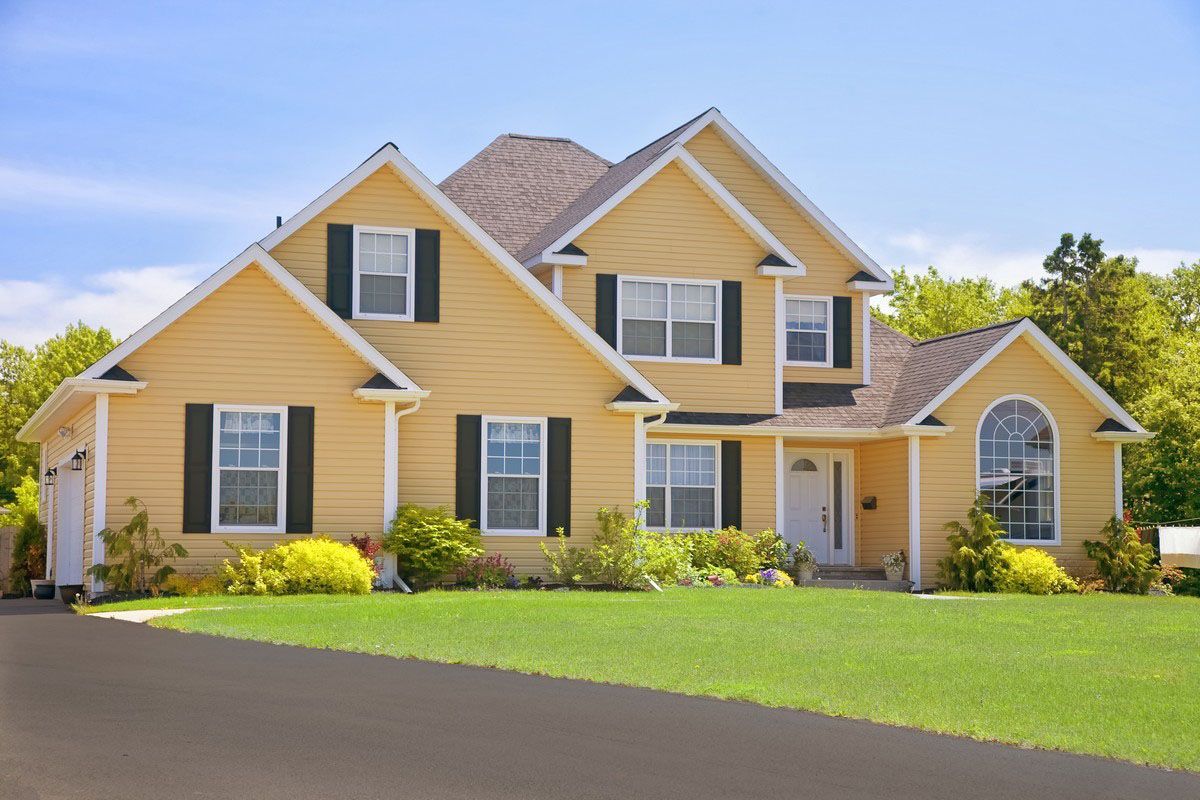
Higher-quality materials can also improve the appearance of the home. Premium paints often provide richer color, better coverage, and more consistent finishes. A clean exterior can make a property look better maintained and more attractive from the street. For homeowners who may sell in the future, this type of visual upgrade can be a meaningful advantage.
2.2. Adherence to Manufacturer Standards
Paint manufacturers provide specific instructions for surface preparation, temperature ranges, drying times, coat thickness, and application methods. Exterior painting contractors follow these guidelines so the products can perform properly. Ignoring these instructions can shorten the lifespan of the paint and may affect warranty coverage.
Professional painters understand how product chemistry and environmental exposure work together. They know when a primer is needed, how long surfaces should dry after washing, and how many coats are appropriate for full protection. This practical knowledge supports a finish that looks better and lasts longer.
Following product standards also supports safer and cleaner project practices. Professionals handle materials, cleanup, and disposal according to local requirements. This matters when dealing with leftover paint, solvents, chips, and coatings. Careful handling protects the property and helps reduce unnecessary waste.
2.3. Thorough Surface Preparation
Surface preparation is one of the most important steps in any exterior painting project. Exterior painting contractors typically pressure wash, scrape loose paint, sand rough areas, repair minor imperfections, and caulk gaps before applying new coatings. These steps help the paint bond properly and create a smoother finished surface.
Preparation is often where DIY projects fall short. It can be physically demanding, time-consuming, and easy to rush. When surfaces are not cleaned or repaired correctly, new paint may peel or crack much sooner than expected. Professionals bring the equipment and experience needed to complete this stage with care.
Proper preparation can also reveal deeper concerns, such as moisture intrusion, rotting trim, damaged siding, or failing sealant. Addressing these issues before painting helps protect the home from future damage. A fresh coat of paint works best when it is applied over a stable, clean, and properly repaired surface.
3. Time and Efficiency
3.1. Comprehensive Project Planning
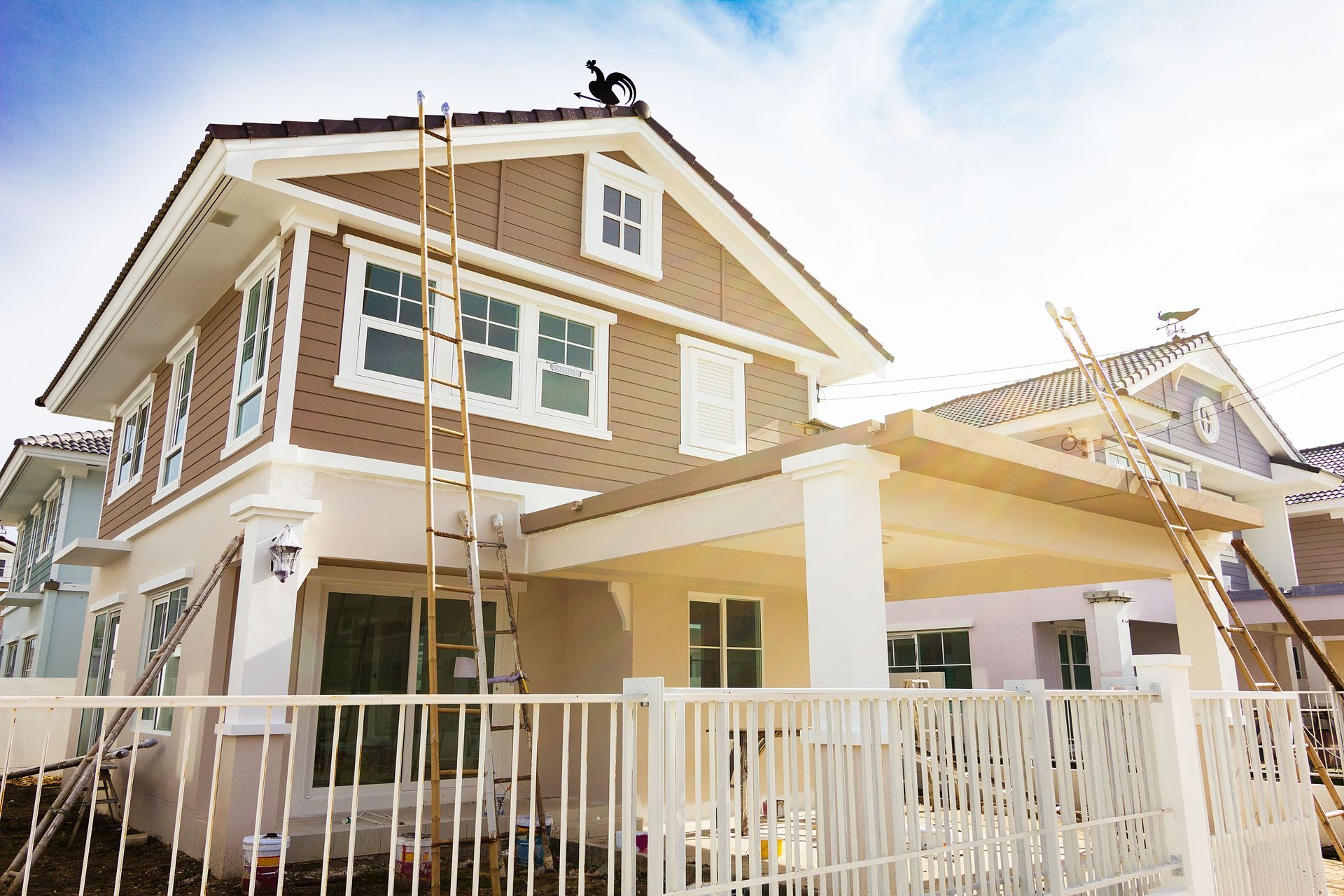
Exterior painting involves many moving parts, from preparation and materials to weather planning and final cleanup. Exterior painting contractors create a project plan that accounts for each stage of the work. This helps the job move forward in an organized way and reduces preventable delays.
Professionals also know how to schedule the work around weather and property access. They can plan which areas should be painted first, how long each coat needs to dry, and how to keep the project moving without rushing key steps. This type of planning is especially helpful for larger homes, multi-story properties, or homes with detailed trim.
Some projects may also involve local rules, homeowners association requirements, or property guidelines. Professional painters can help homeowners understand these details before painting begins. Addressing requirements early can prevent delays and help the project stay aligned with property standards.
Hiring professionals for exterior painting gives homeowners a cleaner finish, stronger surface protection, and a more efficient project from start to finish. Exterior painting contractors bring the training, tools, materials, and safety practices needed to handle preparation, application, cleanup, and problem-solving with care. From choosing the right products to working around weather conditions, their experience can help extend the life of the paint job while improving curb appeal. For homeowners who want lasting results without the stress of managing every detail alone, professional exterior painting is a practical investment in both appearance and long-term property care. Contact WM Painting & More Inc today to learn more.