June 12, 2026
Interior painting is a transformative and cost-effective way to rejuvenate your living space. Before you dip a brush into paint, there are several critical considerations to ensure a successful outcome. This article provides an in-depth look at the essential aspects you must examine to prepare for your painting project.
Understanding Your Space
Before starting any interior painting project, it is crucial to understand the size and layout of the room you intend to paint. Evaluate the width, height, and length of each wall to determine the amount of paint needed. Small rooms can often be brightened and made to appear larger with the right choice of color, whereas larger spaces might benefit from bold colors to create a focal point. Furthermore, the architectural elements, such as molding and windows, should also be considered, as they influence how paint colors will appear. The layout not only affects the visual outcome but also the labor intensity of your project.
Lighting is another critical factor that affects how paint colors appear in a space. Natural lighting can vary based on the time of day and weather, significantly altering the perception of color. Meanwhile, artificial lighting, such as LEDs and incandescent bulbs, can either warm up or cool down a color, depending on the type of bulb used. By analyzing how light interacts with your room, you can choose paint hues that work harmoniously with your environment. Testing different colors under various lighting conditions can prevent any unforeseen color surprises after the paint dries.
Choosing the Right Paint
The choice of paint type and finish can significantly affect the overall look and durability of your painted walls. Flat and matte finishes are ideal for hiding minor wall imperfections, while satin and semi-gloss finishes offer superior durability and are washable, making them suitable for high-traffic areas. Glossy finishes provide a sleek, modern aesthetic but require more precise application to avoid visible brush strokes. In addition, understanding the different types of paint, such as latex and oil-based paints, is crucial in selecting the right product for your needs. Each variety provides distinct advantages in terms of dry time, ease of application, and finish.
Selecting the suitable color palette is crucial in ensuring that your painted space resonates with your personal style and the room's function. Neutral colors create understated elegance and allow for greater flexibility in accent décor. Bold colors can serve as statement pieces, imbuing life and energy into your room. Complementary colors help to create visual harmony and can be used to highlight architectural features. It's also beneficial to consider future design trends, as these can influence the appeal and value of your home.
Paint quality directly impacts the longevity and aesthetic appeal of a finished wall. Investing in high-quality paint may incur higher upfront costs, but it often results in fewer coats, better coverage, and long-lasting vibrancy. As the global paints and coatings market continues to grow at a compound annual growth rate (CAGR) of 4.3% from 2020 to 2027, according to Coatings World, eco-friendly and low-VOC options have become widely available. These options are not only better for the environment but also contribute to healthier indoor air quality, reducing harmful emissions inside your home. Testing colors with samples on different walls and in varied lighting conditions can prevent costly mistakes and ensure your satisfaction with the result.
Preparation is Key
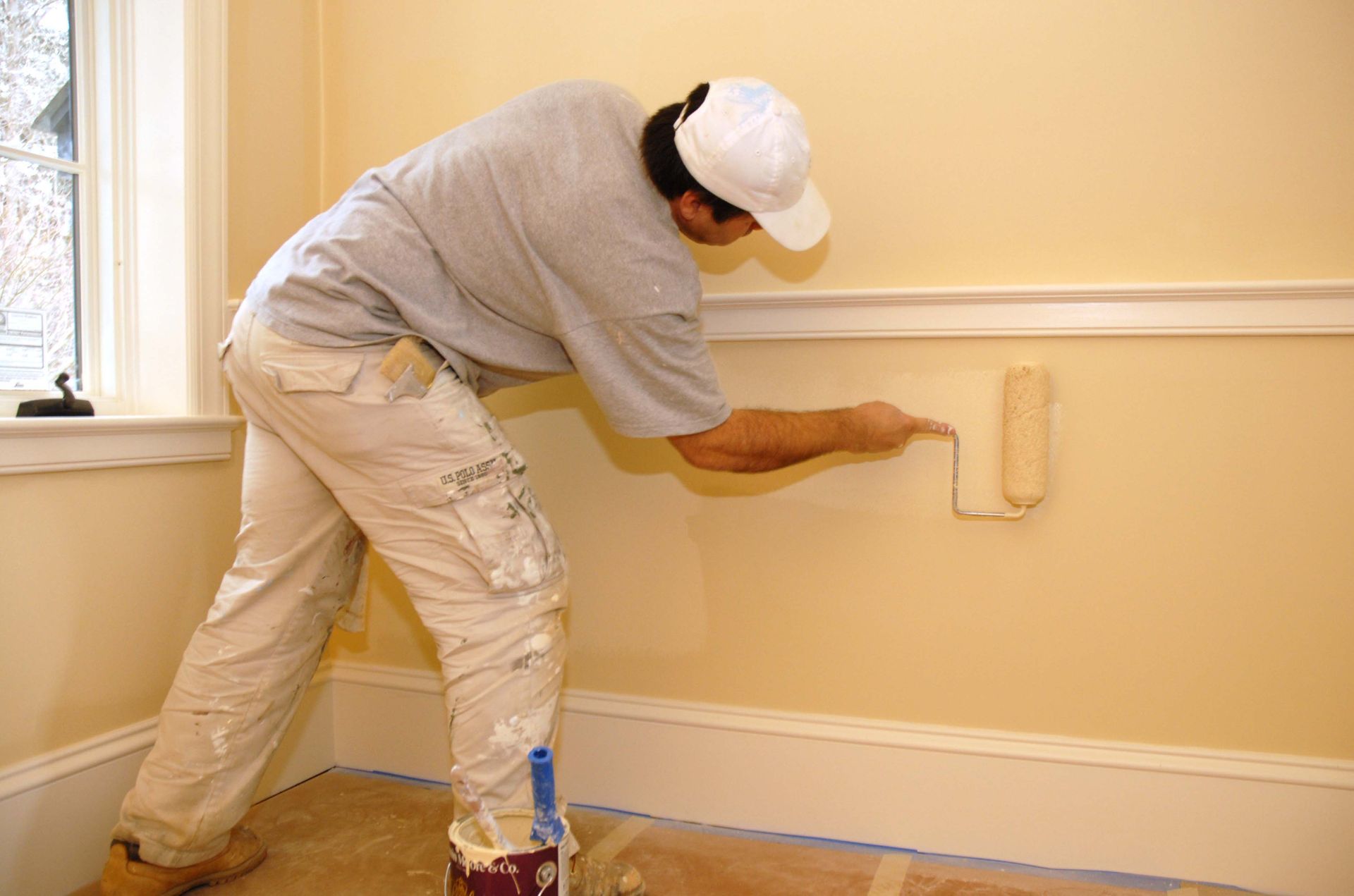
Proper preparation is a foundational step in any successful painting project. Gathering necessary tools, including brushes, rollers, painter's tape, and drop cloths, ensures efficiency and quality in execution. Investing in high-quality tools may appear costly upfront, but they often yield smoother finishes and more even applications, reducing the need for additional coats. Keeping organized and maintaining a checklist of required items can mitigate forgotten essentials and undesirable project delays. Marking areas that require different colors or finishes can streamline the entire painting process and ensure consistency across different surfaces.
Ensuring proper ventilation is crucial when painting, as both paint fumes and dust particles can pose health risks. Adequate ventilation not only protects your lungs but also aids in faster drying times and better adhesion of paint to surfaces. If natural ventilation is limited, consider using exhaust fans or air purifiers to maintain air quality. Before painting, cleaning and repairing walls is essential to achieve a pristine finish. Filling in holes, smoothing out rough surfaces, and cleaning dirt or grease ensures paint adheres evenly and lasts longer.
Post-Painting Considerations
Once your painting project is complete, properly storing leftover paint is crucial for future touch-ups and to minimize waste. Sealing paint cans tightly and storing them in a cool, dry place extends shelf life and usability. Proper labeling, including color and application notes, allows for quick reference in subsequent projects. Recycling or safely disposing of unwanted paint helps reduce environmental impact. As paint is sensitive to temperature fluctuations, consider appropriate storage conditions to preserve its quality.
Cleaning tools and equipment thoroughly extends their lifespan and ensures they remain in optimal condition for future use. Paint cups and trays should be emptied and rinsed promptly, while brushes and rollers require thorough cleaning with appropriate solvents or detergents. Proper maintenance prevents the migration of dried paint into future projects and keeps tools performing effectively. Assessing the finished look involves checking for consistent coverage and smoothness, identifying any areas that may require touch-ups or additional coats. This step ensures a polished, professional finish across the entirety of the painted surfaces.
Touch-ups and maintenance can revive painted surfaces and extend their lifespan, making them look fresh and vibrant over time. Regular cleansing and care, including dusting and gentle scrubbing, help prevent paint chipping and fading. Utilizing comparable paint colors for minor repairs ensures seamless integration, maintaining aesthetic cohesion. Considering long-term care for painted surfaces can save time and money associated with more extensive repairs or repaints. Planning for routine maintenance helps maintain the beauty and integrity of interior spaces, complementing overall home value and sustainability.
Hiring Professional Help
When deciding between DIY and professional painting services, weigh the benefits of time, expertise, and quality. DIY projects offer personal satisfaction and potential cost savings, but can become time-consuming and physically demanding. On the other hand, hiring professionals ensures access to quality craftsmanship, expertise, and resourcefulness. Analyzing the scope of the painting project can help you determine if professional help is beneficial or necessary. Consider budget limitations, project urgency, and desired quality when making your decision.
When choosing a contractor, sourcing and vetting options require thorough research and careful screening. Seek recommendations from trusted sources, verify credentials, and evaluate customer reviews for insight into each contractor's reputation. Requesting quotes and comparing estimates can assist in identifying reasonable pricing, allowing you to select the most cost-efficient and competent service provider. Understanding contractor estimates, including labor, materials, and incidentals, ensures transparency and avoids unexpected expenses. Establishing clear communication about project expectations helps prevent misunderstandings and achieve the desired outcome.
Setting clear expectations with your painter involves clearly discussing timelines, responsibilities, and requirements. Maintain open lines of communication throughout the project to address concerns and changes promptly. Collaborative problem-solving and flexible accommodation of requests can contribute to a harmonious working relationship. Managing and communicating effectively through the process ensures goals and standards are met consistently. Investing in a strong partnership with your painter fosters positive interactions and ultimately results in a successful, high-quality painting project.
Embarking on an interior painting project is an exciting venture that can significantly enhance your home's aesthetic. By taking the time to understand and plan each step, from choosing the right colors to deciding whether to hire a professional, you can achieve a stunning result that reflects your personal style and adds lasting value to your space. For more information about the services that we offer, reach out to our incredible team at WM Painting & More Inc. today!